
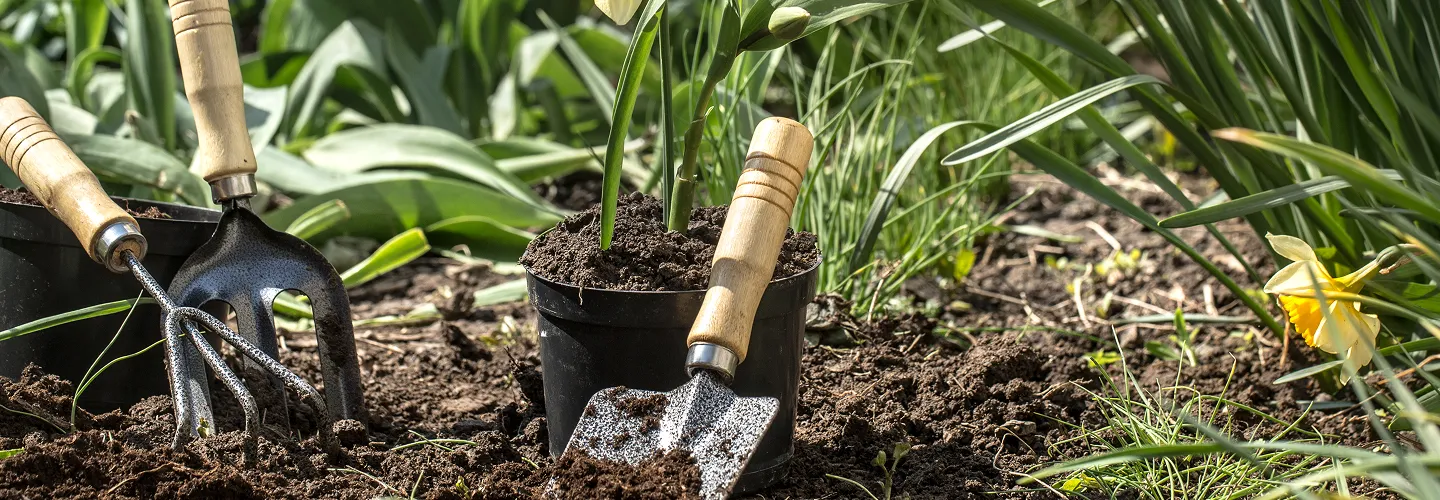
Pleasanton Flower Bed Maintenance Services
Choose our Flower Bed Maintenance for expert care, vibrant blooms, and a weed-free landscape—so you can enjoy a beautiful, healthy garden without the hassle.
Get a Free QuoteOur Pleasanton Landscaping & Yard Care Services
When to Schedule Flower Bed Maintenance in Pleasanton, Texas – Seasonal Guide
In Pleasanton, Texas, the best times for flower bed maintenance are shaped by our unique South Texas climate and local landscape features. Early spring, just after the last frost date, is ideal for cleaning up beds, refreshing mulch, and planting new annuals or perennials. Fall is another key window, especially for pruning, dividing perennials, and preparing beds for winter. With Pleasanton's hot, humid summers and mild winters, timing your maintenance ensures plants thrive and beds remain vibrant year-round.
Local factors such as the sandy loam soils found near the Atascosa River, the shade from mature oaks in neighborhoods like Shalimar or Oak Forest, and the risk of drought during late summer all play a role in determining the right schedule. Homeowners should also consider municipal watering restrictions and the impact of seasonal rainfall, which can vary significantly across Pleasanton. For more information on local environmental guidelines, visit the Sudbury municipal site.
Local Factors to Consider for Flower Bed Maintenance in Pleasanton
- Tree density and shade coverage, especially in established neighborhoods
- Soil type, such as sandy loam or clay, affecting drainage and plant selection
- Seasonal precipitation patterns and drought risk
- Frost dates and temperature swings in early spring and late fall
- Municipal watering restrictions and local ordinances
- Terrain variations, including sloped yards or low-lying areas prone to pooling
Benefits of Flower Bed Maintenance in Pleasanton
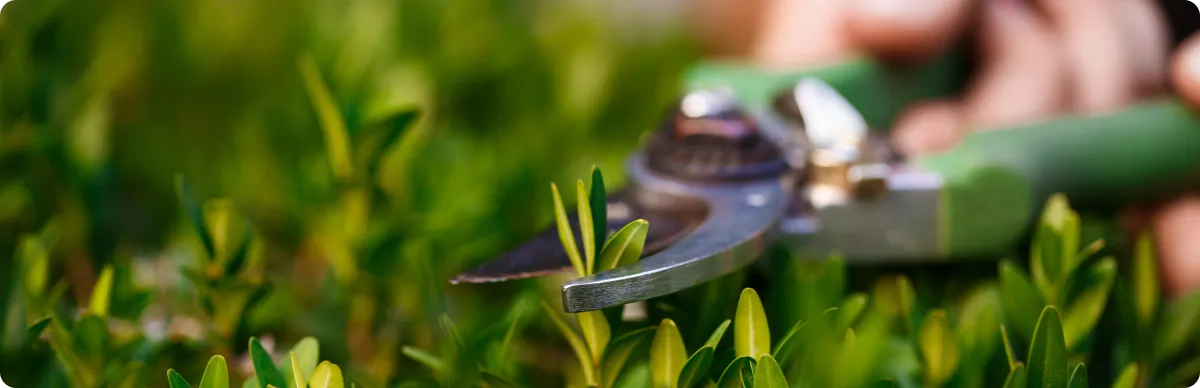
Enhanced Curb Appeal
Weed and Pest Prevention
Healthier Plant Growth
Seasonal Color Management
Professional Landscape Expertise
Time and Effort Savings
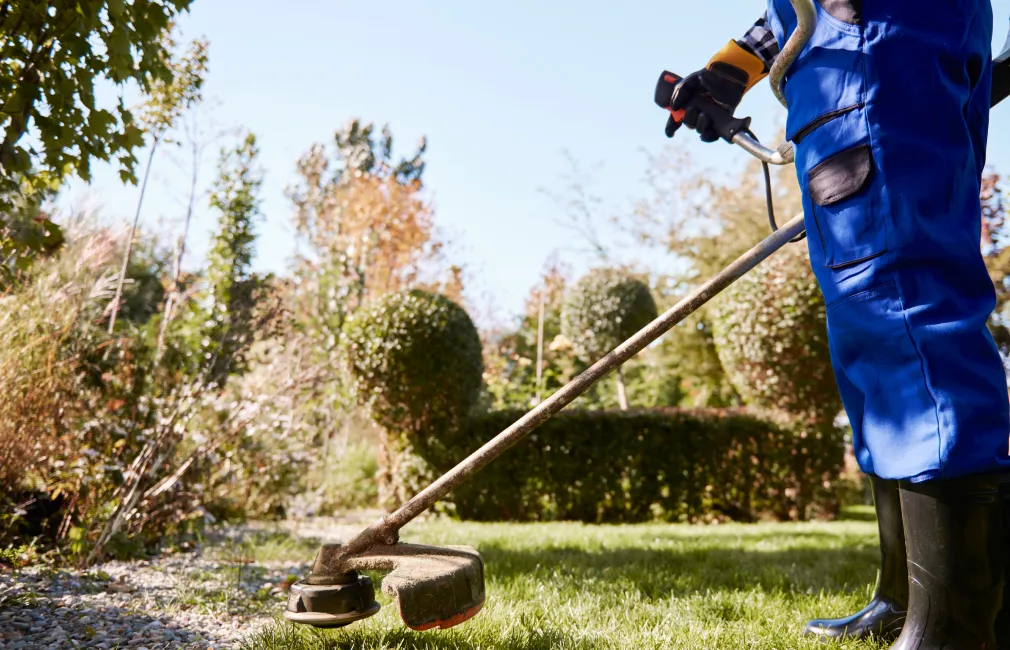
Pleasanton Flower Bed Maintenance Types

Seasonal Flower Planting
-
Weed Control Services
-
Mulching and Soil Conditioning
-
Pruning and Deadheading
-
Fertilization Programs
-
Pest and Disease Management
-
Edging and Bed Redefining
Our Flower Bed Maintenance Process
Site Evaluation
Weed Removal
Soil Preparation
Plant Care
Mulching
Why Choose Pleasanton Landscape Services
-
Pleasanton Homeowners Trust Us
-
Expert Lawn Maintenance
-
Reliable Irrigation Solutions
-
Competitive Pricing
-
Professional Team
-
Satisfaction Guarantee
-
Personalized Service
Soil Series and Drainage Considerations for Flower Beds in Pleasanton
Pleasanton’s predominant soils, including the Houston Black clay and Victoria clay series, present unique challenges for flower bed maintenance. These soils are characterized by high clay content, pH levels typically ranging from 7.5 to 8.2, and slow drainage, which can lead to waterlogging during heavy rainfall. To promote healthy root development, it is recommended to incorporate 2-3 inches of compost tilled to a 6-inch depth and consider raised beds for improved drainage. Soil testing is available through the Texas A&M AgriLife Extension for a typical fee of $15-25, providing guidance on lime or sulfur amendments. Mulching with 2-3 inches of organic material helps regulate soil moisture and temperature. For detailed soil mapping, consult the USDA Web Soil Survey.
Pleasanton Public Works Department
108 Second Street, Pleasanton, TX 78064
Phone: (830) 569-3155
Official Website: Pleasanton Public Works Department
Seasonal Timing and Climate Zone Guidance for Pleasanton Flower Beds
Pleasanton is located in USDA Hardiness Zone 9a, with average annual minimum temperatures of 20-25°F. Optimal planting windows for most annuals and perennials are February 15 to April 15 for spring and September 15 to October 31 for fall installations. Summer heat, often exceeding 95°F, can stress new plantings, so avoid major bed renovations from June through August. Monitor local weather forecasts via the National Weather Service Austin/San Antonio Office for frost advisories and rainfall events. Key timing recommendations include:
- Spring planting: February 15 – April 15 (soil temp 60-70°F)
- Fall planting: September 15 – October 31
- Mulch renewal: March and October
- Fertilization: Early March and late September
Pleasanton Municipal Regulations for Flower Bed Maintenance Activities
Flower bed maintenance in Pleasanton is governed by city ordinances addressing noise, debris disposal, and property maintenance standards. Equipment operation is permitted:
- Monday-Friday: 7:00 AM – 7:00 PM
- Saturday: 8:00 AM – 6:00 PM
- Sunday and holidays: Prohibited All green waste, including trimmings and spent annuals, must be placed in biodegradable bags or 32-gallon reusable bins for curbside collection on Thursdays, April through November. Burning of yard waste is prohibited within city limits. For projects involving significant landscape alteration, a permit may be required through the Community Development Services Department. Review the City of Pleasanton Code of Ordinances for specific requirements.
Pleasanton Community Development Services Department
108 Second Street, Pleasanton, TX 78064
Phone: (830) 569-3867
Official Website: Pleasanton Community Development Services Department
Environmental Compliance: Stormwater and Buffer Zone Requirements in Pleasanton
Proper flower bed maintenance in Pleasanton must comply with local and state environmental regulations to protect water quality. The city operates under an MS4 permit, prohibiting the discharge of soil, mulch, or plant debris into storm drains per the Clean Water Act. Maintain a 25-foot no-disturbance buffer from wetlands and drainage ditches. Fertilizer and pesticide applications are restricted within 50 feet of water bodies. The Texas Commission on Environmental Quality (TCEQ) enforces these standards, and violations may result in fines. Best practices include:
- Sweep hard surfaces after maintenance
- Use slow-release fertilizers
- Avoid overwatering to reduce runoff
- Schedule maintenance before forecasted rain events
Texas Commission on Environmental Quality
12100 Park 35 Circle, Austin, TX 78753
Phone: (512) 239-1000
Official Website: Texas Commission on Environmental Quality
Selecting Native and Drought-Tolerant Species for Pleasanton Flower Beds
Given Pleasanton’s hot, semi-arid summers and clay soils, selecting appropriate plant species is essential for sustainable flower bed maintenance. Recommended native and adapted perennials include:
- Black-eyed Susan (Rudbeckia hirta)
- Autumn sage (Salvia greggii)
- Purple coneflower (Echinacea purpurea)
- Gulf Coast penstemon (Penstemon tenuis)
- Mexican feathergrass (Nassella tenuissima) For shaded areas, consider Turk’s cap (Malvaviscus arboreus) and inland sea oats (Chasmanthium latifolium). Space plants 12-18 inches apart for optimal air circulation and root development. For additional guidance, consult the Texas A&M AgriLife Extension for regionally appropriate plant lists and maintenance recommendations.
What Neighborhoods Do We Serve Throughout Pleasanton, TX?
- Downtown Pleasanton: Features mature trees and historic properties with compacted clay soils, requiring soil amendment and careful drainage management for flower beds.
- Bonita Vista: Newer development with larger lots and moderate slopes, where runoff control and buffer zone compliance are critical for protecting adjacent drainage channels.
- Eagle Heights: Characterized by established landscaping and proximity to Pleasanton River Park, necessitating careful species selection to avoid invasive plants and comply with park buffer regulations.
- Chaparral Acres: Rural-edge neighborhood with expansive lots and limited municipal infrastructure, where residents must manage irrigation and debris disposal in accordance with city collection schedules.
- Oak Forest: Dense tree canopy and heavy shade require shade-tolerant species and regular leaf litter removal to maintain healthy flower beds.
- Pleasanton North: Mixed residential and commercial area with higher traffic and potential for soil compaction, making raised beds and soil aeration beneficial for flower bed success.