
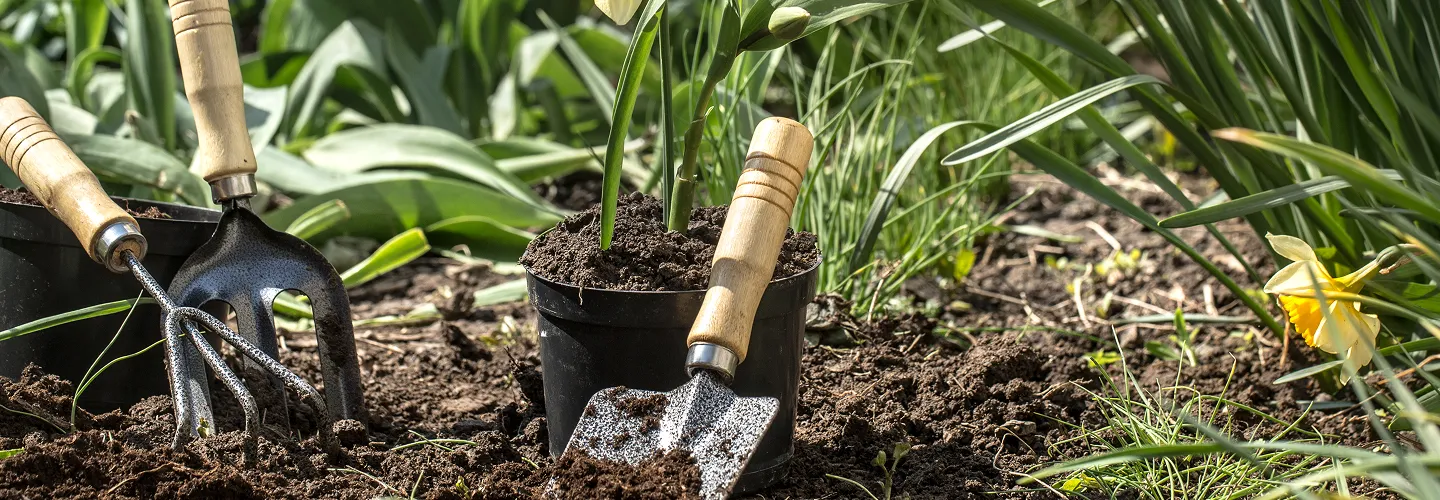
Pleasanton Lawn Leveling Services
Choose our Lawn Leveling service for a healthier, safer, and more beautiful yard—our experienced team uses advanced techniques to deliver lasting results you can see and feel.
Get a Free QuoteOur Pleasanton Landscaping & Yard Care Services
When to Schedule Lawn Leveling in Pleasanton, Texas – Seasonal Guide
In Pleasanton, Texas, the best time to schedule lawn leveling is typically during late spring or early fall. These seasons offer moderate temperatures and consistent rainfall, which help newly leveled lawns recover quickly and establish healthy growth. Pleasanton's climate, characterized by hot summers and mild winters, means that avoiding the peak heat of July and August is crucial for optimal results. Neighborhoods near Atascosa River Park or along Goodwin Street may experience unique microclimates, so it's important to consider local conditions when planning your project.
Environmental factors such as the region's clay-heavy soils, risk of summer drought, and occasional late frosts can all impact the timing of lawn leveling. Areas with dense shade from mature oaks, like those found in the Oak Forest subdivision, may require special attention to soil moisture and drainage. For more information on local weather patterns and municipal guidelines, you can consult the Sudbury town resources.
Local Factors to Consider for Lawn Leveling in Pleasanton
- Tree density and shade coverage
- Soil type (clay, loam, or sandy soils)
- Seasonal precipitation and drought risk
- Frost dates and temperature fluctuations
- Terrain slope and drainage patterns
- Municipal restrictions or watering schedules
Benefits of Lawn Leveling in Pleasanton

Enhanced Curb Appeal
Improved Lawn Health
Safer Outdoor Spaces
Efficient Water Drainage
Easier Lawn Maintenance
Professional Landscaping Expertise

Pleasanton Lawn Leveling Types

Topdressing Lawn Leveling
Topdressing involves spreading a thin layer of soil or sand to even out minor bumps and depressions.
-
Laser Grading
Laser grading uses precision equipment to achieve a perfectly level lawn surface for optimal drainage.
-
Sod Removal and Regrading
This method removes existing sod, regrades the soil, and then replaces or installs new sod for a smooth finish.
-
Fill and Compact Method
Soil or sand is added to low spots and compacted to create a uniform lawn surface.
-
Power Raking Leveling
Power raking removes thatch and helps redistribute soil, improving lawn evenness.
-
Hand Raking and Spot Leveling
Manual raking and filling target small uneven areas for precise lawn correction.
-
Aeration and Leveling
Aeration loosens compacted soil, making it easier to level and improve lawn health.
Our Lawn Leveling Process
Site Evaluation
Soil Preparation
Leveling Application
Compaction
Final Inspection
Why Choose Pleasanton Landscape Services
-
Pleasanton Homeowners Trust Us
-
Expert Lawn Maintenance
-
Reliable Irrigation Solutions
-
Competitive Pricing
-
Professional Team
-
Satisfaction Guarantee
-
Personalized Service
Soil Series and Drainage Challenges for Lawn Leveling in Pleasanton
Pleasanton’s predominant soils, including Houston Black clay and Victoria clay loam, present unique challenges for lawn leveling due to their high clay content, expansive properties, and slow drainage. These soils typically have a pH range of 7.5-8.2 and are prone to compaction, which can lead to uneven settling and water pooling after heavy rainfall. Before beginning any lawn leveling project, it is recommended to conduct a soil test through Texas A&M AgriLife Extension (typical cost: $15-25) to determine amendment needs. For optimal results, incorporate 2-3 inches of compost tilled to a 6-inch depth and consider lime or sulfur applications based on test results. Research local soil series using the USDA Web Soil Survey for site-specific recommendations.
Pleasanton Public Works Department
108 Second Street, Pleasanton, TX 78064
Phone: (830) 569-3155
Official Website: Pleasanton Public Works Department
Equipment Operation Hours and Noise Ordinance Compliance in Pleasanton
Lawn leveling activities in Pleasanton are subject to municipal noise ordinances and equipment operation restrictions. According to the City of Pleasanton Code of Ordinances, permitted hours for powered landscaping equipment are:
- Monday-Friday: 7:00 AM - 7:00 PM
- Saturday: 8:00 AM - 6:00 PM
- Sunday and holidays: Prohibited Operators must ensure all machinery is equipped with functioning mufflers and noise output does not exceed 85 decibels at the property line. When working near public streets, maintain a 15-foot safety buffer and use high-visibility vests and ANSI Z87.1 safety glasses. For projects requiring significant grading or fill, a permit may be required through the city’s building division, with typical review times of 5-10 business days and fees ranging from $25-$75.
Pleasanton Code Enforcement Division
108 Second Street, Pleasanton, TX 78064
Phone: (830) 569-3867
Official Website: Pleasanton Code Enforcement Division
Stormwater Management and Environmental Compliance for Lawn Leveling
Proper lawn leveling in Pleasanton must comply with local and state stormwater regulations to prevent sediment runoff into Bonita Creek and Atascosa River. The city operates under an MS4 permit as required by the Clean Water Act and enforced by the Texas Commission on Environmental Quality. Key requirements include:
- Maintain a 25-foot no-disturbance buffer from wetlands and waterways
- Prohibit soil, debris, or grass clippings from entering storm drains
- Use silt fencing or straw wattles on slopes exceeding 5%
- Schedule grading outside of forecasted rain events (check National Weather Service Austin/San Antonio) Violations may result in fines or project delays. For additional guidance, consult the city’s engineering department.
Pleasanton Engineering Department
108 Second Street, Pleasanton, TX 78064
Phone: (830) 569-3155
Official Website: Pleasanton Engineering Department
Seasonal Timing and Weather Considerations for Lawn Leveling in Pleasanton
Pleasanton is located in USDA Hardiness Zone 9a, with optimal lawn leveling windows in early spring (March 1 - April 15) and early fall (September 15 - October 15), when soil temperatures range from 60°F to 75°F and rainfall is moderate. Avoid leveling during June-August due to high temperatures (often exceeding 95°F) and drought stress, which can impede turf recovery. Monitor local weather forecasts through the National Weather Service Austin/San Antonio to avoid scheduling work before heavy rain events. For cool-season grass renovation, seed immediately after leveling in September; for warm-season grasses, sod or sprig in late spring. Repeat leveling every 2-3 years for clay soils to maintain surface evenness.
- Spring window: March 1 - April 15
- Fall window: September 15 - October 15
- Avoid: June-August (heat/drought)
What Neighborhoods Do We Serve Throughout Pleasanton, TX?
- Downtown Pleasanton: Characterized by older homes and mature trees, this area often faces soil compaction and drainage issues due to historic fill soils and limited green space.
- Bonita Creek Estates: Proximity to Bonita Creek requires strict adherence to buffer zones and stormwater controls, with expansive clay soils prone to seasonal movement.
- Eagle Heights: Newer subdivisions with larger lots and improved grading, but heavy clay content still necessitates regular leveling and soil amendment.
- Chaparral Acres: Features sloped lots and mixed soil textures, requiring erosion control measures and careful timing to prevent runoff.
- Pleasanton North: Includes properties near Atascosa River, where floodplain regulations and wet soil conditions demand specialized leveling techniques.
- Oak Forest: Dense tree canopy and shade create challenges for turf establishment and may require additional compost or sand incorporation during leveling.
- West Pleasanton: Larger rural lots with access constraints and variable soil conditions, often needing customized equipment and scheduling for effective service.