
Pleasanton Flower Planting Services
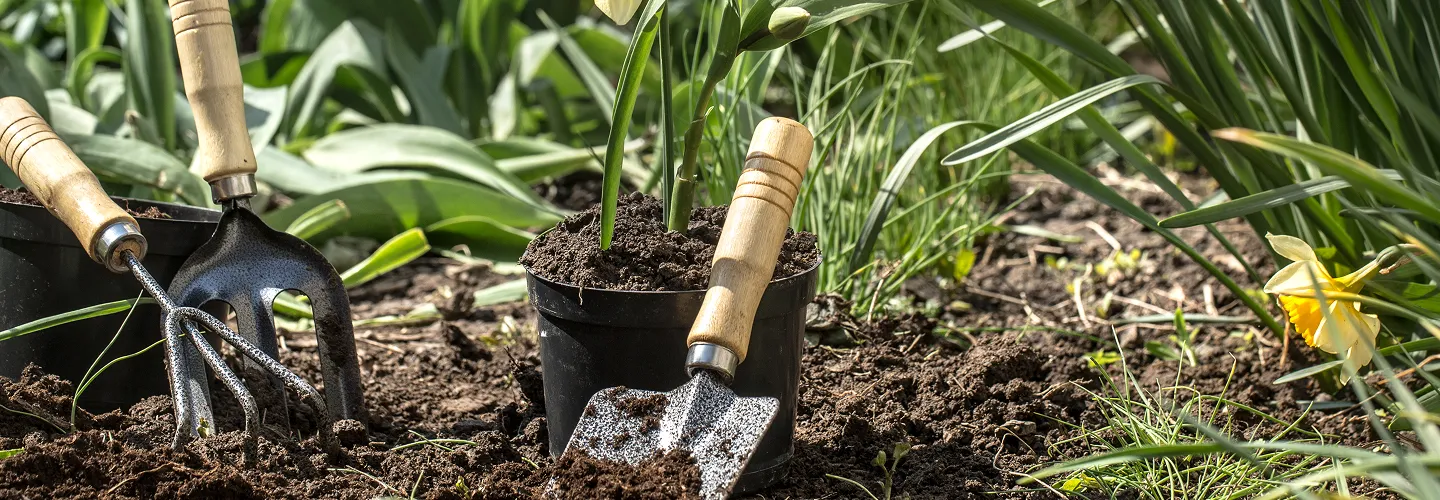
Choose our flower planting services for vibrant, healthy blooms that enhance your home's curb appeal and create a welcoming outdoor environment, all handled by experienced professionals who care about your satisfaction.
Get a Free QuoteOur Pleasanton Landscaping & Yard Care Services
When to Schedule Flower Planting in Pleasanton, Texas – Seasonal Guide
Flower planting in Pleasanton, Texas, is best scheduled with careful attention to our region’s unique climate and landscape. The optimal planting windows typically fall in early spring (late February to early April) and again in early fall (late September to October), when temperatures are moderate and rainfall is more predictable. These periods allow new blooms to establish strong roots before the intense summer heat or occasional winter chills set in. Neighborhoods near the Atascosa River or around Pleasanton City Park often experience slightly cooler microclimates, which can extend the planting window by a few weeks compared to more open, sun-exposed areas like those near Goodwin Street.
Local environmental factors play a significant role in determining the best time for flower planting. Pleasanton’s soil tends to be a mix of sandy loam and clay, requiring amendments for optimal drainage and nutrient retention. Frost dates usually end by mid-March, but late cold snaps can still occur, especially in shaded yards or those bordered by mature oak trees. Drought risk is a real concern during late summer, so planting before the heat sets in helps flowers establish resilience. For more information on local climate patterns and gardening resources, visit the Sudbury municipal site.
Local Factors to Consider for Flower Planting in Pleasanton
- Tree density and shade coverage, especially in established neighborhoods like Oaklawn Terrace
- Soil composition and drainage, which can vary between river-adjacent lots and upland properties
- Annual precipitation patterns and the risk of summer drought
- Terrain slope, affecting water runoff and soil erosion
- Municipal watering restrictions or guidelines during dry months
Benefits of Flower Planting in Pleasanton
Expert Local Knowledge
Customized Landscape Designs
Seasonal Plant Selection
Eco-Friendly Practices
Reliable Maintenance Services
Enhanced Curb Appeal
Pleasanton Flower Planting Types

Annual Flower Beds
-
Perennial Plantings
-
Native Wildflower Gardens
-
Seasonal Bulb Displays
-
Pollinator-Friendly Gardens
-
Shade-Loving Flower Beds
-
Drought-Tolerant Flower Borders
Our Flower Planting Process
Site Evaluation
Soil Preparation
Plant Selection
Careful Planting
Watering and Mulching
Why Choose Pleasanton Landscape Services
-
Pleasanton Homeowners Trust Us
-
Expert Lawn Maintenance
-
Reliable Irrigation Solutions
-
Competitive Pricing
-
Professional Team
-
Satisfaction Guarantee
-
Personalized Service
Soil Series and Drainage Considerations for Flower Planting in Pleasanton
Pleasanton’s predominant soils, as identified by the USDA Web Soil Survey, include Houston Black clay and Wilson sandy loam, both of which present unique challenges for flower planting. Houston Black clay is known for its high shrink-swell capacity and poor drainage, requiring raised beds or soil amendments for optimal root health. Wilson sandy loam, found in outlying areas, offers better drainage but may require organic matter to improve water retention. Soil pH in Pleasanton typically ranges from 7.2 to 8.0, necessitating sulfur amendments for acid-loving species. Recommended soil preparation steps include:
- Incorporating 2-3 inches of compost to a 6-inch depth
- Conducting a soil test through Texas A&M AgriLife Extension (typical cost: $15-25)
- Applying gypsum to improve clay structure where needed
Pleasanton Public Works Department
108 Second Street, Pleasanton, TX 78064
Phone: (830) 569-3155
Official Website: Pleasanton Public Works Department
Seasonal Timing and Climate Zone Guidance for Pleasanton Flower Planting
Pleasanton is located in USDA Hardiness Zone 9a, with average annual minimum temperatures of 20-25°F. The optimal window for planting most annual and perennial flowers is February 15 to April 15 for spring installations, and September 15 to October 31 for fall plantings. Soil temperatures should reach at least 55°F before planting warm-season species. Avoid planting during June-August due to heat stress and high evaporation rates. For weather monitoring and frost advisories, consult the National Weather Service Austin/San Antonio Office. Key timing recommendations:
- Spring planting: February 15 – April 15 (soil temp 55°F+)
- Fall planting: September 15 – October 31
- Avoid planting during summer peak (June-August)
- Monitor for late frosts in March
Native and Drought-Tolerant Flower Species for Pleasanton Landscapes
Selecting species adapted to Pleasanton’s climate and soil is essential for sustainable flower planting. Native and drought-tolerant options reduce irrigation needs and support local pollinators. Recommended species include:
- Black-eyed Susan (Rudbeckia hirta)
- Winecup (Callirhoe involucrata)
- Mexican hat (Ratibida columnifera)
- Autumn sage (Salvia greggii)
- Purple coneflower (Echinacea purpurea)
- Gulf Coast penstemon (Penstemon tenuis) Spacing should be 12-18 inches for most perennials. Mulch flower beds with 2-3 inches of shredded hardwood to conserve moisture and suppress weeds. For additional guidance, refer to Texas A&M AgriLife Extension plant selection resources.
Municipal Regulations and Permit Requirements for Flower Planting in Pleasanton
Flower planting projects in Pleasanton must comply with city ordinances regarding property setbacks, right-of-way encroachments, and protected area buffers. According to the City of Pleasanton Code of Ordinances, plantings must maintain a 25-foot buffer from designated wetlands and a 10-foot setback from public sidewalks. No planting is permitted within 5 feet of fire hydrants or utility boxes. For installations in public spaces or near city infrastructure, a permit is required through the Building Permits Division, with a standard application fee of $50 and a review period of 7-10 business days. Equipment operation for landscape work is permitted:
- Monday-Friday: 7:00 AM – 7:00 PM
- Saturday: 8:00 AM – 6:00 PM
- Sunday and holidays: Prohibited
Pleasanton Building Permits Division
108 Second Street, Pleasanton, TX 78064
Phone: (830) 569-3867
Official Website: Pleasanton Building Permits Division
Environmental Compliance: Stormwater, Buffer Zones, and State Regulations
All flower planting activities in Pleasanton must adhere to stormwater management requirements under the Clean Water Act and the Texas MS4 permit program. It is prohibited to deposit soil, mulch, or plant debris into storm drains or within 25 feet of wetlands and streams. Fertilizer and pesticide applications must not occur within 50 feet of water bodies. The Texas Commission on Environmental Quality enforces these standards, and violations may result in fines. Best practices include:
- Use biodegradable mulch and avoid plastic barriers
- Maintain 25-foot no-disturbance zones from wetlands
- Schedule planting to avoid heavy rainfall events
- Dispose of plant debris through municipal yard waste programs
Texas Commission on Environmental Quality
12100 Park 35 Circle, Austin, TX 78753
Phone: (512) 239-1000
Official Website: Texas Commission on Environmental Quality
What Neighborhoods Do We Serve Throughout Pleasanton, TX?
- Downtown Pleasanton: Features older properties with compacted urban soils and limited green space, requiring raised beds and careful plant selection for successful flower establishment.
- Bonita Vista: Characterized by newer developments with Wilson sandy loam soils, offering good drainage but often needing organic amendments for moisture retention.
- Eagle Heights: Contains larger lots with mature trees, resulting in partial shade and increased leaf litter, which can affect flower bed maintenance and species choice.
- Chaparral Acres: Located near Bonita Creek, this area has periodic flooding and requires strict adherence to buffer zone regulations and flood-tolerant plant species.
- Pleasanton North: Suburban area with expansive lawns and moderate clay content, presenting challenges for deep-rooted perennials and necessitating soil aeration.
- Oak Forest: Noted for its proximity to city parks and conservation areas, where native plantings and wildlife-friendly practices are encouraged by local ordinances.
- Heritage South: Features mixed residential and commercial properties, with variable soil conditions and increased need for compliance with right-of-way and setback rules.