
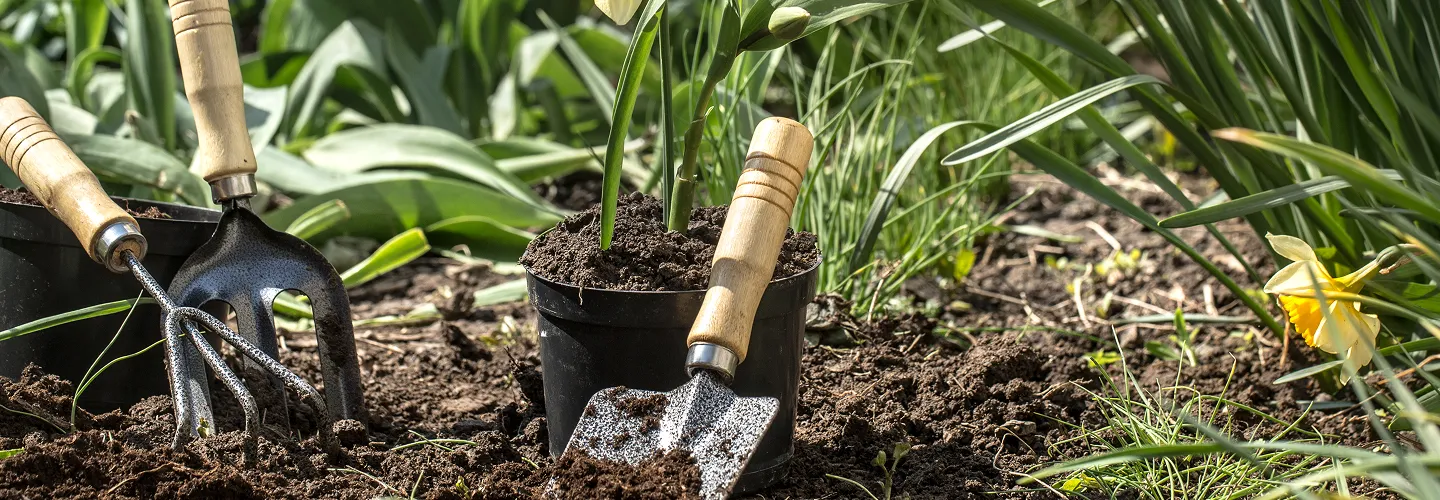
Pleasanton Lawn Edging Services
Choose our Lawn Edging for precise, professional borders that elevate your curb appeal, reduce maintenance, and keep your landscape looking sharp all year long.
Get a Free QuoteOur Pleasanton Landscaping & Yard Care Services
When to Schedule Lawn Edging in Pleasanton, Texas – Seasonal Guide
In Pleasanton, Texas, the best times to schedule lawn edging are typically in early spring and late fall. These periods align with the region’s moderate temperatures and reduced rainfall, making it easier to achieve crisp, clean edges without stressing your turf. Pleasanton’s climate, characterized by hot summers and mild winters, means that edging during the peak heat or just before the first frost can impact the health of your lawn. Neighborhoods near Atascosa River Park or along Goodwin Street often experience varying shade coverage and soil types, which can influence the ideal timing for edging services.
Local environmental factors such as the risk of late spring frosts, summer drought conditions, and the prevalence of clay-heavy soils in areas like Oak Forest and Shady Oaks should be considered. Homeowners should also be aware of municipal guidelines and seasonal water restrictions, which can affect when and how often lawn maintenance is performed. For more information on local regulations, visit the official city resource.
Local Factors to Consider for Lawn Edging in Pleasanton
- Tree density and shade coverage in your yard
- Soil type (clay, sandy, or loamy soils)
- Seasonal precipitation and drought risk
- Proximity to landmarks like Atascosa River Park
- Municipal restrictions or water usage guidelines
- Terrain and slope of your property
Benefits of Lawn Edging in Pleasanton
Enhanced Curb Appeal
Weed Growth Prevention
Defined Landscape Borders
Low Maintenance Solutions
Increased Property Value
Professional Installation Expertise
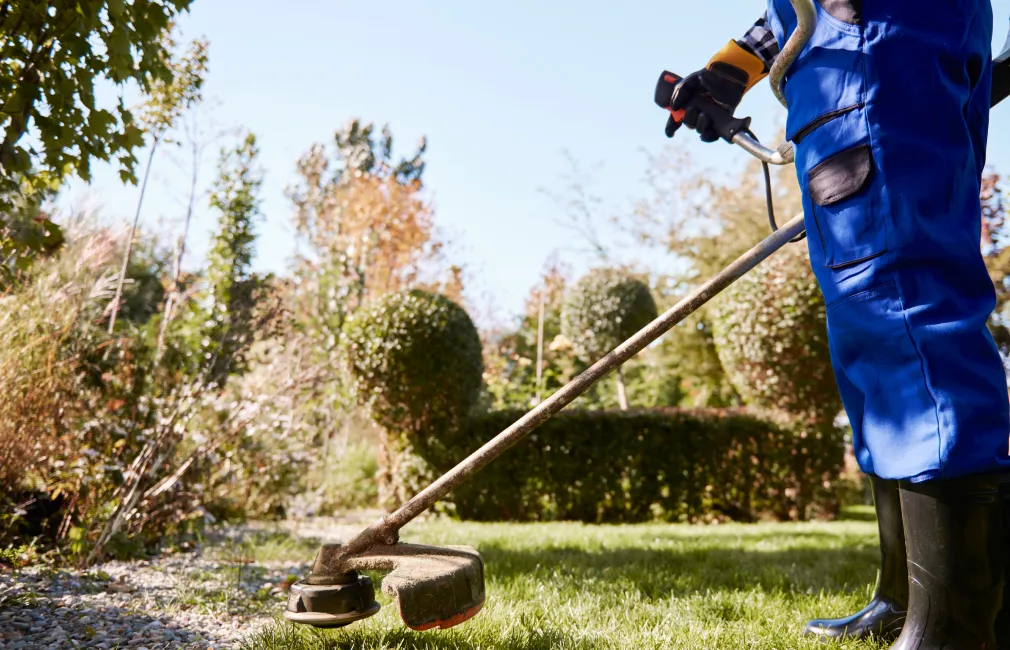
Pleasanton Lawn Edging Types

Brick Lawn Edging
Brick edging offers a classic and durable border for your landscape.
-
Metal Lawn Edging
Metal edging provides a sleek, modern look and long-lasting performance.
-
Plastic Lawn Edging
Plastic edging is flexible, affordable, and easy to install for various garden shapes.
-
Stone Lawn Edging
Stone edging creates a natural and elegant boundary for your lawn.
-
Concrete Lawn Edging
Concrete edging delivers a sturdy and customizable solution for landscaping.
-
Wood Lawn Edging
Wood edging brings a rustic charm and blends seamlessly with garden environments.
-
Rubber Lawn Edging
Rubber edging is eco-friendly, flexible, and safe for family-friendly landscapes.
Our Lawn Edging Process
Site Evaluation
Marking Edges
Cutting the Edge
Debris Removal
Final Inspection
Why Choose Pleasanton Landscape Services
-
Pleasanton Homeowners Trust Us
-
Expert Lawn Maintenance
-
Reliable Irrigation Solutions
-
Competitive Pricing
-
Professional Team
-
Satisfaction Guarantee
-
Personalized Service
Soil Series and Drainage Considerations for Lawn Edging in Pleasanton
Pleasanton’s predominant soils, including Houston Black clay and Victoria clay loam, present unique challenges for lawn edging due to their high clay content and poor drainage. These soils typically exhibit pH values between 7.5 and 8.2, requiring careful soil amendment for optimal turf health. When installing lawn edging, it is recommended to excavate to a depth of 4-6 inches to ensure stability and prevent shifting during heavy rainfall events. Incorporating 2-3 inches of compost and, where necessary, gypsum can improve soil structure and drainage. Soil testing is available through the Texas A&M AgriLife Extension for a typical fee of $15-25. For detailed soil mapping, consult the USDA Web Soil Survey. Proper site preparation is essential to prevent water pooling and root encroachment, especially in areas with seasonal water tables at 12-18 inches.
Municipal Ordinances and Equipment Operation Standards for Pleasanton Lawn Edging
Lawn edging activities in Pleasanton are governed by municipal ordinances that regulate equipment operation hours and noise levels. According to city code, powered landscaping equipment may be operated:
- Monday-Friday: 7:00 AM - 7:00 PM
- Saturday: 8:00 AM - 6:00 PM
- Sunday and holidays: Prohibited Noise levels must not exceed 85 decibels at the property line. All operators are required to use commercial-grade equipment with functioning mufflers and to wear ANSI Z87.1 safety glasses and hearing protection for noise above 85 dB. For projects near public rights-of-way, advance warning signage and a 15-foot safety buffer from traffic are mandatory. Permit requirements for edging installations adjacent to city sidewalks or within public easements are administered by the city’s building division.
Pleasanton Building Permits Division
108 Second Street, Pleasanton, TX 78064
Phone: (830) 569-3867
Official Website: Pleasanton Building Permits Division
Stormwater Compliance and Environmental Protections in Pleasanton Lawn Edging
Lawn edging projects in Pleasanton must comply with local and federal stormwater regulations to protect Atascosa River tributaries and city wetlands. The city’s MS4 permit, issued under the Clean Water Act, prohibits the discharge of soil, mulch, or grass clippings into storm drains. Maintain a 25-foot no-disturbance buffer from mapped wetlands and a 50-foot setback from perennial streams. The Texas Commission on Environmental Quality (TCEQ) enforces state stormwater rules, while the EPA Region 6 office provides federal oversight. Best practices include:
- Use biodegradable edging materials where possible
- Collect and properly dispose of all debris
- Avoid fertilizer or herbicide application within 50 feet of water bodies
- Schedule work during dry weather to minimize runoff risk
Pleasanton Public Works Department
108 Second Street, Pleasanton, TX 78064
Phone: (830) 569-3155
Official Website: Pleasanton Public Works Department
Seasonal Timing and Weather Considerations for Lawn Edging in Pleasanton
Pleasanton is located in USDA Hardiness Zone 9a, with average annual minimum temperatures of 20-25°F. The optimal window for lawn edging installation is from March 1 to May 15 and again from September 15 to November 1, when soil temperatures range from 60°F to 75°F and rainfall is moderate. Avoid edging during June-August due to high heat and drought stress, which can cause soil cracking and reduce turf recovery. Monitor local weather forecasts through the National Weather Service Austin/San Antonio Office to avoid scheduling work during heavy rain events. For best results:
- Schedule edging after irrigation or rainfall for easier soil cutting
- Avoid work during extreme heat advisories
- Re-edge every 2-3 years for clay soils to maintain definition
What Neighborhoods Do We Serve Throughout Pleasanton, TX?
- Downtown Pleasanton: Characterized by mature trees, compacted urban soils, and narrow lot lines, requiring careful attention to root barriers and compliance with historic district guidelines.
- Bonita Vista: Features newer developments with expansive lots and moderate slopes, where drainage management and erosion control are critical for effective lawn edging.
- Eagle Heights: Known for heavy clay soils and proximity to Atascosa River tributaries, necessitating strict adherence to buffer requirements and stormwater best practices.
- Chaparral Acres: Large properties with mixed sun exposure and occasional flooding, requiring robust edging materials and periodic maintenance to address soil movement.
- Pleasanton North: Suburban area with HOA oversight, standardized lot sizes, and underground utilities, making utility marking and compliance with HOA landscaping rules essential.
- Oak Forest: Densely wooded lots with significant leaf litter and shade, where edging must account for root competition and seasonal debris accumulation.
- West Pleasanton: Transitional area with a mix of older and new homes, variable soil compaction, and occasional access limitations for equipment.